Blog

  • What Your Implementation Process Should Actually Cover

    What Your Implementation Process Should Actually Cover

    Most ERP implementations fail quietly. Not in crashes. They fail in the months after, when the system is technically live but somehow underused. Integrations limp along with manual workarounds. The team treats it like an obstacle rather than a tool. Six months in, that $500K investment feels disappointingly incomplete. The vendor frames this as “adoption lag.” The business calls it regret.

    People blame the software choice. Usually, they’re wrong.

    The actual problem surfaces earlier. Nobody mapped how the software should fit into the business before technical work started. A good brainvire odoo implementation partner understands this distinction. They provide a roadmap, not just a timeline. A documented methodology that identifies where implementations typically break and prevents those breaks before they happen. Partners that skip this step just hand you a project schedule and cross their fingers.

    When to Start Planning for Adoption

    Adoption planning belongs in month-one, not in the week before go-live.

    The best teams identify which departments will change workflow most. They figure out which processes will confuse people. They plan where training needs to be heavier. Teams that defer adoption planning discover the system already feels difficult to users by launch. Changing that perception afterward is exponentially harder.

    This requires involving frontline staff early. The people actually doing the work know where workflows get messy. They know where legacy systems solved edge cases. They know what breaks if the new system cannot handle those edge cases. Getting that information into your implementation plan prevents discovering it in production.

    What Distinguishes a Quality Odoo Implementation Partner from Generic Consultants

    Partners that have managed multiple implementations recognize patterns. They do not treat software as one-size-fits-all.

    A wholesale business and a service business might both use the same platform, yet their workflows differ radically. Cash conversion cycles are different. Inventory models are different. Project costing structures are different. These differences shape how the entire system functions. Partners without this depth miss it. They configure the software the same way every time. Good partners reconfigure to fit the business.

    Discovery Methodology

    Discovery should be targeted, not broad. Rather than two-week requirements workshops with 15 people in one room, good partners conduct targeted deep dives with specific teams. Deep conversations with finance about revenue recognition edge cases. Separate conversations with operations about supply chain complexity. Time with warehouse staff about what makes physical work easier or harder. Targeted discovery captures what generic requirements-gathering always misses.

    Staged Validation

    Validation should happen throughout Odoo Implementation Partner, not compressed at the end. Data migration gets tested against real data samples early. Integrations run through sandbox testing with live systems. Workflows run through with actual users before go-live. Problems surface one at a time, when there is space to fix them. Not all compressed into a fire drill.

    The Power of Documentation

    Documentation matters more than most recognize. The business becomes dependent on how the platform fits the workflows. Not how workflows fit the platform. That distinction is critical. When people leave, when questions arise, when changes are needed, documentation becomes the institutional memory. Weak partners leave you with a system. Good partners leave you with a system and a map of how it works.

    The Real Value of Partnership

    Methodology is how it happens. Without it, you get a system. With it, you get something that actually works the way the business needs it to. The difference between choosing an implementation partner and choosing a software vendor is whether someone thought about your business before they thought about their project timeline.


  • Millau Viaduct Height: How Tall Is This Famous Bridge?

    Millau Viaduct Height: How Tall Is This Famous Bridge?

    The Millau Viaduct is one of the most remarkable feats of modern engineering, known worldwide for its impressive height and elegant design. Located in southern France, this cable-stayed bridge spans the Tarn River valley near the town of Millau. It is renowned for being the tallest bridge in the world, a title that has fascinated engineers, architects, and travelers alike. But exactly how tall is the Millau Viaduct, and what makes its height so extraordinary?

    The Millau Viaduct reaches a maximum height of 343 meters (1,125 feet) from the base of the structure to the top of its highest mast. To put this into perspective, this height surpasses the Eiffel Tower in Paris, which stands at 324 meters (1,063 feet). This towering structure is not only a critical piece of transportation infrastructure but also a stunning architectural landmark that blends harmoniously with the surrounding landscape.

    The bridge was designed by the French structural engineer Michel Virlogeux in collaboration with British architect Norman Foster. Their goal was to create a bridge that was both functional and visually striking. The result is a slender, how tall is the Millau Viaduct graceful viaduct supported by seven concrete pylons, each crowned with steel masts that hold the bridge deck via cable stays. The highest of these pylons reaches the record-breaking height, making the Millau Viaduct a symbol of innovation and engineering excellence.

    The height of the bridge is not just a matter of aesthetics or record-setting; it also serves a practical purpose. The Millau Viaduct was built to span the deep Tarn River valley without obstructing the natural environment below. By elevating the roadway so high above the valley floor, the bridge minimizes its ecological footprint and allows for uninterrupted passage of wildlife and natural water flows underneath. This approach reflects a careful balance between human infrastructure development and environmental conservation.

    For travelers crossing the Millau Viaduct, the height offers breathtaking panoramic views of the surrounding countryside, including rolling hills, the winding Tarn River, and distant mountains. The sensation of driving across such a lofty structure has made the viaduct a popular attraction in its own right, drawing tourists from around the globe who want to experience its grandeur firsthand.

    Since its opening in December 2004, the Millau Viaduct has been celebrated as a masterpiece of modern bridge engineering. It holds the record for the tallest bridge mast and is recognized as the highest road bridge in the world. Its height, combined with its sleek design and engineering sophistication, positions the Millau Viaduct as a landmark achievement in the realm of civil engineering and architecture.

    In conclusion, the Millau Viaduct stands at an awe-inspiring height of 343 meters, making it the tallest bridge globally. This impressive stature is not only a technical achievement but also serves to preserve the natural beauty of the Tarn River valley while providing a vital transportation route. Its towering presence continues to captivate and inspire those who witness this architectural marvel, making it a true icon of modern infrastructure.

  • Everything You Need to Know About Roof Replacement Services

    Everything You Need to Know About Roof Replacement Services

    Roof replacement is a significant home improvement project that involves removing the existing roofing material and installing a new one. This service becomes necessary when a roof is extensively damaged, aged, or no longer providing adequate protection. Understanding the process and what to expect can help homeowners make informed decisions and ensure their investment is worthwhile. The first step in roof replacement services is a thorough inspection. Roofing professionals assess the current condition of the roof to determine the extent of damage and whether a full replacement is required or if repairs could suffice. Factors such as missing shingles, leaks, sagging, and underlying structural issues are carefully examined. Once it is established that replacement is necessary, the choice of roofing material is discussed. Common options include asphalt shingles, metal roofing, tile, slate, and wood shakes. Each material varies in cost, durability, appearance, and maintenance needs. Selecting the right material depends on the homeowner’s budget, aesthetic preferences, and local climate conditions. After deciding on contact the team contractor provides a detailed estimate, covering labor, materials, and any additional services like gutter replacement or insulation upgrades. Transparent pricing and clear communication are crucial for avoiding surprises during the project. On the day of replacement, the roofing crew begins by removing the old roofing materials. This step involves stripping away shingles or other coverings, addressing any damaged underlayment or decking, and disposing of debris responsibly. Proper removal is vital to ensure the new roof has a solid foundation and to prevent future problems. Next, the installation of the new roof starts with laying down protective barriers such as underlayment or waterproof membranes. These layers help keep moisture out and extend the roof’s lifespan. The selected roofing material is then installed according to manufacturer specifications and local building codes. Throughout the process, safety measures are strictly followed to protect workers and residents. Upon completion, the contractor performs a final inspection to ensure the roof is correctly installed and free of defects. They also clean up the worksite, removing leftover materials and nails. It is important for homeowners to inquire about warranties covering both materials and workmanship. Regular maintenance after replacement can help prolong the roof’s durability. Choosing a reputable company with experience in roof replacement services is essential for a smooth, efficient process and a quality outcome.

    Dynasty Roofing
    7854 Oswego Rd Ste 201, Liverpool, NY 13090
    315-532-9967

  • The Role of a Family Lawyer in Child Custody Disputes

    The Role of a Family Lawyer in Child Custody Disputes

    A family lawyer plays a crucial role in child custody disputes, offering legal guidance and support to parents navigating the complexities of family law. These professionals are trained to handle emotionally charged situations with sensitivity and professionalism, ensuring that the best interests of the child remain the central focus throughout the legal process. Child custody cases often involve difficult decisions about where a child will live and how much time they will spend with each parent, making the role of a family lawyer essential in advocating for fair and reasonable arrangements.

    One of the primary responsibilities of a family lawyer in child custody disputes is to help clients understand their legal rights and obligations. Custody laws can vary significantly by jurisdiction, and a lawyer’s expertise ensures that parents are informed more about family law the types of custody available, such as sole custody, joint custody, legal custody, and physical custody. By explaining these options clearly, a family lawyer equips parents to make decisions that align with their family’s unique circumstances and the child’s welfare.

    Family lawyer in WA

    Family lawyers also assist in negotiating custody agreements that reflect the needs and wishes of both parents while prioritizing the child’s stability and well-being. They work to facilitate communication and compromise, aiming to avoid prolonged litigation whenever possible. When disputes escalate to the courtroom, these lawyers represent their clients by presenting evidence, making legal arguments, and advocating for custody arrangements that serve the child’s best interests. This legal representation is particularly important because custody decisions can have lasting effects on a child’s emotional and psychological development.

    In addition to legal advocacy, family lawyers often help clients gather necessary documentation to support their custody claims. This may include evidence related to the child’s living conditions, parental involvement, and any history of abuse or neglect. By compiling and presenting this information effectively, a family lawyer strengthens their client’s position and aids the court in making informed decisions.

    Moreover, family lawyers provide emotional support and guidance during an often stressful and uncertain time. They help clients manage expectations and navigate the complexities of the legal system, reducing confusion and anxiety. This reassurance can be invaluable as parents work through custody disputes that impact their family’s future.

    Overall, the role of a family lawyer in child custody disputes encompasses legal advice, negotiation, representation, and support. Their involvement helps ensure that custody decisions are made fairly, efficiently, and with the child’s best interests at heart. By guiding parents through this challenging process, family lawyers contribute to more stable and positive outcomes for children and families alike.

    Northwest Family Law, P.S.
    1207 Market St, Kirkland, WA 98033
    (206) 737-1806

  • Keep Your HVAC Equipment in Top Shape with Expert Services

    Keep Your HVAC Equipment in Top Shape with Expert Services

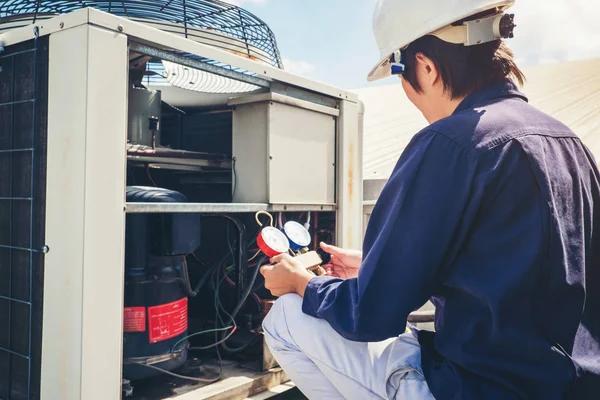
    Maintaining your heating, ventilation, and air conditioning (HVAC) system is essential for ensuring comfort, efficiency, and longevity of your equipment. HVAC units work hard throughout the year to regulate indoor temperatures and air quality, and without proper care, they can become less effective, consume more energy, or even break down prematurely. Professional HVAC services provide the expertise needed to keep your system running smoothly and help you avoid costly repairs or replacements.

    Regular maintenance by trained technicians involves a thorough inspection of all components, including filters, coils, refrigerant levels, electrical connections, and mechanical parts. These experts can identify potential issues early, such as worn belts, clogged filters, or leaks, which may not be obvious to the untrained eye. By addressing minor problems promptly, you can prevent them from escalating into major malfunctions that disrupt your comfort and increase expenses. Moreover, routine cleaning and tune-ups improve airflow, enhance energy efficiency, and extend the lifespan of your equipment.

    In addition to maintenance, expert HVAC services can assist with installation and upgrades. When it’s time to replace an old or inefficient system, professionals can recommend models suited to your home’s size and your specific needs. Proper installation is critical to ensure optimal performance and avoid problems furnace repair caused by incorrect setup. Upgrading to newer, energy-efficient units can also reduce utility bills and contribute to environmental sustainability by lowering your carbon footprint.

    Another important aspect of professional HVAC service is timely repairs. If your system starts making unusual noises, struggles to maintain temperature, or shows signs of malfunction, contacting a certified technician promptly can save you from prolonged discomfort and further damage. Skilled professionals have the knowledge and tools to diagnose problems accurately and perform repairs efficiently, restoring your HVAC system to peak condition as quickly as possible.

    Choosing a reputable HVAC service provider ensures that the work is done correctly and safely. Certified technicians follow industry standards and use quality parts, giving you confidence in the reliability of the service. Additionally, many companies offer service contracts or maintenance plans that provide regular check-ups and priority support, making it easier to stay on top of upkeep and avoid unexpected breakdowns.

    Investing in expert HVAC services ultimately protects your home environment, enhances comfort, and maximizes the value of your equipment. By scheduling regular maintenance, addressing repairs promptly, and considering professional advice on replacements or upgrades, you can keep your HVAC system in top shape year-round. This proactive approach not only saves money over time but also ensures your indoor air remains clean and your living space comfortable regardless of the season.

    Mitchell Heating & Cooling
    4805 Rogers Rd, Rolesville, NC 27571
    919-948-3263

  • How electrical repair services in Rehoboth Beach Support Safe Electrical Installations

    How electrical repair services in Rehoboth Beach Support Safe Electrical Installations

    Choosing local AC repair services in Florence offers significant benefits that help maintain a comfortable home environment. When an air conditioning unit malfunctions or requires maintenance, prompt and reliable service is crucial. Local technicians understand the specific climate challenges faced in Florence, allowing them to provide tailored solutions that enhance your system’s efficiency and longevity. Their familiarity with common issues in the area means they can quickly diagnose problems and recommend effective repairs, minimizing downtime and discomfort.

    Local AC repair professionals offer faster response times compared to non-local companies. This immediacy is particularly important during Florence’s hot seasons when a broken air conditioner can make living conditions unbearable. By choosing a nearby service provider, homeowners ensure that help is available without long delays, reducing the risk of prolonged heat exposure. Additionally, local companies often provide personalized customer service, building trust and ensuring your concerns are addressed thoroughly. This relationship fosters better communication, which is key to understanding the scope of repairs and maintenance needed.

    Electrical repair services in Rehoboth Beach

    Another advantage lies in the quality and reliability of work performed by local technicians. These experts often have established reputations within the community, motivating them to maintain high standards. Word-of-mouth recommendations and local reviews are more accessible and trustworthy, helping homeowners select reputable service providers. Local repair companies are invested in explore their services community and strive to deliver consistent, dependable service to protect their standing and attract repeat business.

    Local AC repair services also benefit from a better understanding of regional building codes and regulations. This knowledge ensures that all repairs and installations comply with local standards, which can prevent future legal or safety issues. Compliance with these regulations also guarantees that your air conditioning system operates efficiently and safely, contributing to a more comfortable home environment.

    Furthermore, local businesses typically source parts and equipment from nearby suppliers, which can lower costs and reduce wait times for necessary components. This supply chain advantage translates to quicker repairs and often more affordable service. Supporting local companies also strengthens the local economy, which benefits the community as a whole.

    In summary, choosing local AC repair in Florence ensures prompt, knowledgeable service tailored to the area’s climate and regulations. It fosters reliable workmanship and personalized customer care, contributing to a consistently comfortable home. By opting for local professionals, homeowners enjoy faster repairs, compliance assurance, and support for the local economy, all of which work together to keep indoor environments cool and pleasant year-round.

    Ocean-Side Electric
    Rehoboth Beach, DE 19971
    302-396-5889

  • What to Expect During a furnace repair service Appointment

    What to Expect During a furnace repair service Appointment

    When you schedule a furnace repair service appointment, it is helpful to know what to expect throughout the process. A professional technician will arrive punctually, usually within the scheduled time window, and come prepared with the necessary tools and equipment to diagnose and fix common furnace issues. Upon arrival, they may ask a few questions about the problems you have noticed, such as unusual noises, inconsistent heating, or frequent cycling. This initial conversation helps the technician understand the symptoms and narrow down potential causes.

    The technician will then begin by visually inspecting the furnace and its components. This inspection often includes checking the thermostat settings, examining the air filter, and looking for any obvious signs of wear, damage, or dirt buildup. The furnace’s interior parts such as the blower motor, belts, igniter, burners, and heat exchanger will be closely examined to identify any issues. Safety is a top priority, so the technician will also check for gas leaks or carbon monoxide presence if your furnace uses natural gas or propane.

    Next, the technician will perform operational tests, turning the furnace on to observe its performance and listen for unusual sounds or irregular cycles. They will monitor the ignition process, airflow, and temperature output hvac company near me to ensure everything functions correctly. These tests allow the technician to pinpoint the exact problem, whether it is an electrical malfunction, a faulty thermostat, a clogged filter, a broken blower motor, or something else.

    After diagnosing the issue, the technician will explain the problem in clear terms and describe the necessary repairs. They will provide an estimate of the cost and time required to complete the work. If you approve, the technician will proceed with repairs, which might involve cleaning components, replacing worn parts, or adjusting settings. In some cases, the technician may recommend a full furnace replacement if the system is too old or damaged to repair effectively.

    Once the repairs are complete, the technician will test the furnace again to confirm it operates safely and efficiently. They may offer tips on maintenance practices to help prevent future problems, such as changing filters regularly and scheduling annual inspections. Before leaving, the technician will tidy up the work area and ensure you are satisfied with the service provided. Understanding what happens during a furnace repair appointment can help you feel more confident and comfortable when the technician arrives at your home.

    Atticman Heating and Air Conditioning, Insulation
    101 Parkshore Dr Ste 100, Folsom, CA 95630
    916-461-8025

  • How Noise Reduction Spray Foam Insulation Reduces Unwanted Sounds

    How Noise Reduction Spray Foam Insulation Reduces Unwanted Sounds

    Noise reduction spray foam insulation is an effective solution for minimizing unwanted sounds in residential, commercial, and industrial spaces. This type of insulation works by creating a dense, airtight barrier that significantly dampens noise transmission from both airborne and impact sources. Unlike traditional insulation materials such as fiberglass or cellulose, spray foam expands upon application, filling gaps, cracks, and cavities in walls, ceilings, and floors. This expansion ensures that there are no spaces where sound waves can easily pass through, thereby enhancing the overall soundproofing capability of a structure.

    One of the primary ways noise reduction spray foam insulation reduces sound is through its unique cellular structure. The foam consists of millions of tiny, closed cells that absorb sound energy when it travels through the material. These cells disrupt sound waves by converting acoustic energy into small amounts of heat, which diminishes the intensity of the noise. The result is a quieter indoor environment with fewer echoes and less external noise intrusion. This property is particularly beneficial in urban or industrial areas where external noises such as traffic, machinery, or loud neighbors can be disruptive.

    In addition to absorbing sound, spray foam insulation also prevents noise transmission caused by vibrations. When sound waves hit a hard surface, they create vibrations that can travel through building materials and into adjacent rooms or spaces. Spray foam’s flexibility and adhesion to surfaces reduce the ability of these vibrations to pass through, effectively isolating rooms acoustically. This makes it an ideal choice for spaces that require privacy or noise control, such as recording studios, home theaters, offices, and multifamily housing units.

    Another important benefit of noise reduction spray foam insulation is its ability to seal air leaks. Airborne noise often travels through small openings around doors, windows, and other structural penetrations. By sealing these gaps, spray foam not only reduces drafts and improves energy efficiency but also limits the pathways through which sound can travel. This dual function makes spray foam a cost-effective option for both soundproofing and insulation purposes.

    Moreover, spray foam insulation is durable and long-lasting, maintaining its acoustic properties over time without sagging or settling. Its moisture-resistant nature also prevents mold growth, which can degrade soundproofing materials and indoor air quality. When professionally installed, noise reduction spray foam insulation provides a comprehensive solution that enhances comfort, privacy, and energy efficiency by effectively reducing unwanted sounds.

  • What to Expect on Your First cruise to antartica

    What to Expect on Your First cruise to antartica

    Embarking on your first cruise to Antarctica is an extraordinary adventure that offers a unique blend of natural beauty, wildlife encounters, and a sense of remote exploration. As you prepare for this journey, it is important to understand what to expect to make the most of your experience. The voyage typically begins with a departure from southern ports such as Ushuaia in Argentina, the southernmost city in the world. Before reaching the icy continent, you will cross the Drake Passage, a stretch of ocean known for its sometimes rough seas. It is advisable to be prepared for potential motion sickness and to bring appropriate medications or remedies. The crossing itself usually takes about two days and provides opportunities to spot seabirds and marine life.

    Once you approach Antarctica, the landscape transforms dramatically. Towering icebergs, vast glaciers, and snow-covered mountains dominate the horizon. The cruise itinerary often includes multiple shore landings where passengers can disembark and explore on foot. These excursions are typically guided to ensure safety and to protect the fragile environment. You can expect to visit research stations, wildlife colonies, and pristine beaches. Antarctic wildlife is one of the main highlights, with chances to observe penguins, seals, whales, and numerous bird species in their natural habitat. Photography enthusiasts will find endless opportunities to capture stunning images.

    The ships used for Antarctic cruises are specially designed or reinforced to navigate icy waters safely. They offer a range of amenities, including comfortable cabins, dining facilities, and lecture rooms where experts provide educational talks about the region’s geology, climate, and wildlife. These presentations enrich the journey by deepening your understanding of this remote wilderness. Dress in layers and bring waterproof gear, as weather conditions can change rapidly. Temperatures are cold, but not as extreme as cruise to the antarctic surrounding ocean’s moderating effect.

    During your cruise, it is essential to follow the guidelines set by your expedition leaders to minimize environmental impact. Antarctica is governed by international agreements that emphasize conservation and responsible tourism. Visitors must adhere to strict rules regarding waste disposal, wildlife interaction, and protected areas. This ensures that the pristine environment remains preserved for future generations.

    In summary, your first Antarctic cruise promises a remarkable experience filled with awe-inspiring scenery, fascinating wildlife, and educational opportunities. Being prepared for the unique conditions and respecting the environment will help you fully appreciate this once-in-a-lifetime journey to the Earth’s southernmost frontier.

  • Smart Kitchen Remodel Ideas for a More Organized Space

    Smart Kitchen Remodel Ideas for a More Organized Space

    A kitchen remodel presents an excellent opportunity to create a more organized and efficient space by incorporating smart design ideas. One of the most effective ways to enhance organization is by maximizing storage solutions. Custom cabinetry that reaches the ceiling can help utilize vertical space, providing additional room for rarely used items. Incorporating pull-out shelves and drawers inside cabinets allows easy access to pots, pans, and pantry staples, reducing clutter on countertops. Installing built-in organizers such as spice racks, utensil trays, and dividers can keep smaller items neatly arranged and readily available.

    Another smart approach to remodeling a kitchen for better organization focuses on the layout. A well-planned kitchen triangle between the stove, sink, and refrigerator minimizes movement and makes cooking more efficient. Adding an island with built-in storage can serve multiple purposes, offering extra workspace, seating, and concealed compartments for kitchen essentials. This can also help keep frequently used items within arm’s reach, cutting down on countertop mess.

    Investing in modern appliances with smart features plays a significant role in maintaining an organized kitchen. Refrigerators with adjustable shelves and door compartments allow better food storage customization, helping avoid overcrowding and waste. Ovens and microwaves with built-in timers and multiple cooking modes can discover our services simplify meal preparation. Some smart appliances can be controlled via smartphone apps, providing alerts and remote access that aid in managing cooking tasks effectively.

    Lighting is another important factor in creating an organized kitchen. Proper illumination ensures all areas are visible and accessible, reducing the chance of misplaced items and accidents. Under-cabinet lighting highlights countertops and workspaces, while adjustable overhead lights can be tailored to specific tasks. Good lighting also enhances the overall ambiance, making the kitchen a more pleasant place to work and gather.

    Finally, incorporating technology such as smart storage systems or voice-activated assistants can streamline daily kitchen routines. Voice commands can control lighting, timers, or even appliances, allowing hands-free operation during cooking. Smart storage solutions include motorized shelves and cabinets that open with a touch or remote, making it easier to access and organize kitchen goods efficiently.

    By thoughtfully combining these ideas, a kitchen remodel can transform a cluttered space into a well-organized, functional, and modern environment that supports both cooking and socializing.

  • Strengthen Financial Accuracy With Dedicated Fractional Bookkeeping Support

    Strengthen Financial Accuracy With Dedicated Fractional Bookkeeping Support

    Maintaining accurate financial records is essential for any business aiming to succeed and grow sustainably. One effective way to enhance financial accuracy is by engaging dedicated fractional bookkeeping support. This approach offers businesses the expertise of professional bookkeeping without the full-time commitment, allowing for precise and timely management of financial data. Fractional bookkeepers focus exclusively on maintaining comprehensive and error-free financial records, which helps prevent costly mistakes and ensures compliance with regulatory standards.

    Fractional bookkeeping support means having access to specialists who handle day-to-day financial transactions, such as recording income and expenses, reconciling bank statements, and managing accounts payable and receivable. Unlike traditional bookkeeping services that may be provided on an as-needed basis, dedicated fractional bookkeepers work closely with a company’s financial team or management to maintain continuous oversight. This consistent involvement leads to improved data accuracy and allows businesses to make informed decisions based on reliable financial information.

    One of the significant advantages of using dedicated fractional bookkeeping is the flexibility it provides. Businesses can scale the level of support according to their needs, paying only for the time and expertise required. This model is particularly beneficial for small to medium-sized enterprises that may not have the resources or volume of transactions to justify a full-time bookkeeper. The fractional approach ensures that financial records are handled by experienced professionals, reducing the risk of errors that could impact financial reporting or tax filings.

    Moreover, fractional bookkeepers often bring industry-specific knowledge and up-to-date familiarity with accounting software and best practices. This proficiency enables them to streamline processes, automate routine tasks, and implement effective financial controls. As a result, companies receive timely reports and insights that support better cash flow management and budgeting. The accuracy and clarity provided by dedicated fractional bookkeeping contribute to building trust with stakeholders, including investors, creditors, and regulatory bodies.

    By outsourcing bookkeeping responsibilities to dedicated fractional professionals, businesses free up internal resources to focus learn more on this website arrangement also allows for more strategic financial planning, as the bookkeeper can prepare detailed financial statements and analysis that highlight trends and potential areas for improvement. Ultimately, strengthening financial accuracy through fractional bookkeeping support is an investment in the company’s operational efficiency and long-term financial health.

    In conclusion, dedicated fractional bookkeeping offers a practical, cost-effective solution for businesses seeking to improve the precision and reliability of their financial records. It combines professional expertise with flexibility, providing continuous financial oversight without the commitment of full-time staff. This approach enhances decision-making capabilities, ensures compliance, and fosters a clearer understanding of the company’s financial position, all of which are crucial for sustained business success.